
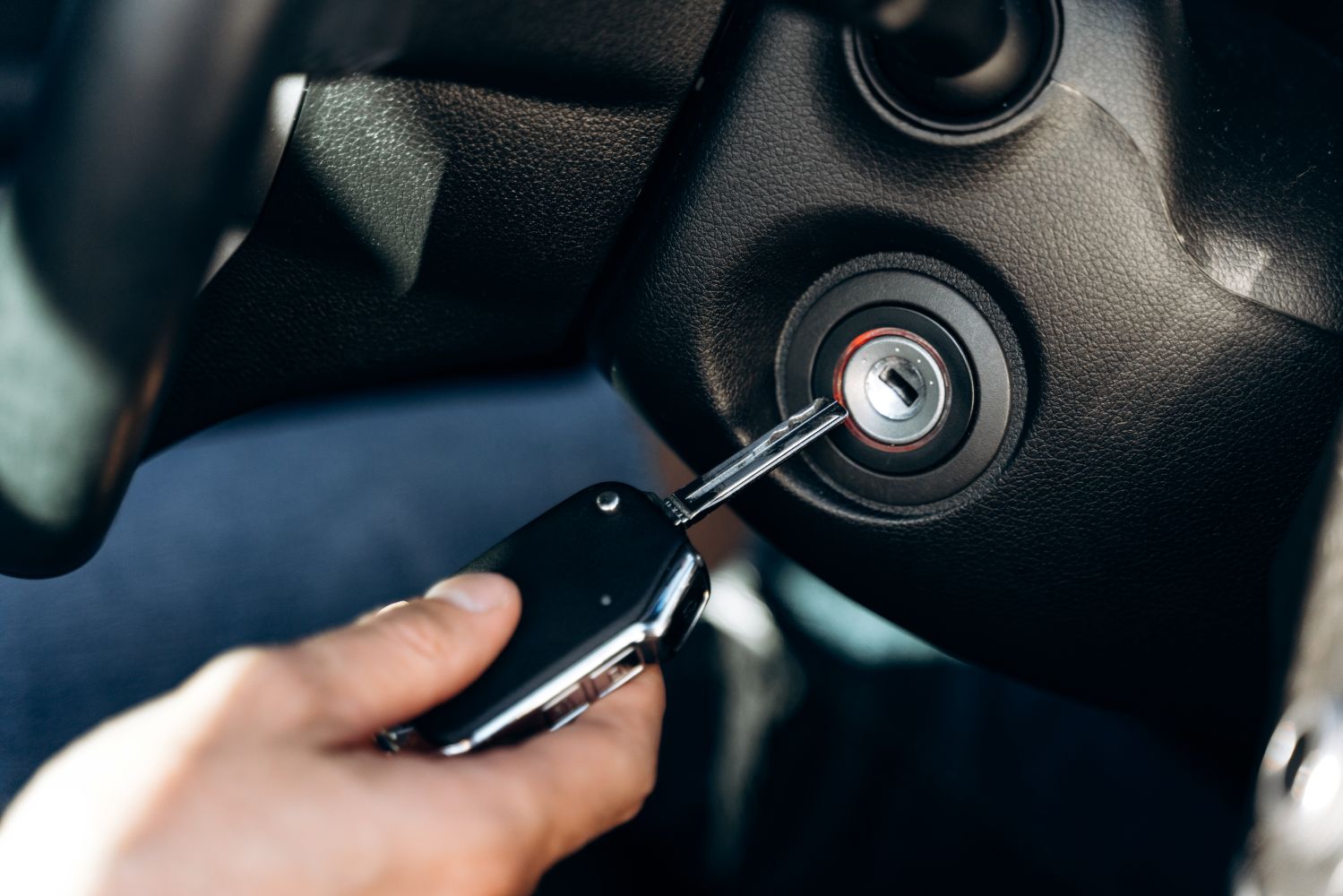
When an ignition key snapped inside the lock, the best move is to stop twisting, stop poking, and keep the steering wheel still. Forcing the key can bend tiny wafers inside the ignition lock cylinder or stress the ignition switch behind it. Your goal is simple, keep parts lined up, keep debris out, and set up a safe broken key removal plan. You can try a few gentle steps, but if the key is deep or jammed, a Car locksmith can pull it without wrecking the ignition.

First, take a breath and stop the “just one more twist” move
I get it. You are thinking, “If I can just grab it, I can still make it to work.” That last twist is often what turns a small hassle into a long day.
Here is what is at stake inside your ignition.
- Wafers are tiny metal pieces that line up with your key cuts. They are like little teeth in a zipper. If they bend, the lock may not turn even with a good key.
- The ignition switch sits behind the lock cylinder. It handles electrical stuff, like the starter signal. Rough twisting can stress it.
- The keyway is the slot where the key goes. Scratching it with hard tools can make future keys stick.
Short version, treat the ignition like a watch, not like a fence post.
What not to force when a key breaks in the ignition
These are the most common “oops” moves. They happen fast. They also cause the most damage.
Do not force the steering wheel lock
If your wheel is turned hard against the steering lock, you may feel extra resistance. Many people crank harder and snap the key.
What to do instead: keep one hand on the wheel and gently wiggle it left and right while you use light pressure on the key stub. If the key is already snapped, still keep the wheel relaxed so the lock parts are not binding.
Do not jam a screwdriver, knife, or nail into the slot
That metal is harder than the wafers. The tool can scrape, bend, or shove the broken piece deeper.
If you cannot see the key piece at the front of the slot, poking usually makes things worse.
Do not spray thick oils or sticky lubes
People reach for WD type sprays, grease, or even cooking oil. Thick fluids collect grit. That grit turns into sandpaper inside the lock.
If you use anything at all, use a lock-safe dry lube, and use very little. More on that soon.
Do not pull with pliers unless you have a good bite
If the broken key is sticking out far enough, pliers can work. But if you only grab a tiny edge, the pliers can crush the key and wedge it tighter.
Do not keep cycling the key with the broken piece inside
Each twist can scratch the keyway and shift wafers out of line. It can also jam the broken piece at an angle.
A quick picture of what likely happened
Keys rarely snap from a single bad moment. It is often a slow story.
- The key gets worn. The cuts get rounded.
- You have extra weight on the key ring.
- The ignition starts to feel sticky on hot days.
- Then you twist while the wheel lock is tight, and snap.
I once heard a guy say, “My key broke because my truck is mad at me.” Trucks do not get mad. They just get worn out and thirsty for a little care.
Safe setup before you try to remove the broken key
These steps help protect wafers and the ignition switch while you work.
- Park safe and steady. Put the car in Park, set the parking brake, and shut off all accessories.
- Keep the steering wheel straight. If the wheel is turned, gently roll it back toward center. Do not fight it.
- Use good light. Your phone flashlight helps you see if the key piece is sticking out.
- Keep the slot clean. Do not add dirt. If your hands are greasy, wipe them first.
- Know when to stop. If you feel hard resistance, pause. That is your car saying, “Nope.”
Safety note: If your car is in a lane or shoulder on a fast road, focus on getting to a safe spot first. A broken key is annoying. Traffic is worse. For general road safety guidance, see NHTSA road safety.
Troubleshooting steps you can follow at the car
Use this like a simple flow list. Keep it gentle.
- If the key piece sticks out and you can grip it, then use needle nose pliers and pull straight out with steady pressure. No twisting.
- If the key piece sticks out a little but pliers slip, then try fine tweezers, or a broken key extractor tool if you have one.
- If the key broke while turning and the wheel is locked, then wiggle the steering wheel left and right while you try to slide the key piece out.
- If the key piece is flush or deep, then stop poking, you will likely push it deeper. Plan for a proper extractor tool and skill.
- If you see metal shavings or the key feels jammed, then do not add lube and do not force it. That suggests scraping or a bent wafer.
- If the car is push button start but you have a blade key for the door, then your issue may be the fob, not the ignition. Do not take the steering column apart.
- If you removed the piece but the ignition still will not turn, then the wafers may be out of line or the switch may be stressed. Call for help before more turning.
If you need help at the vehicle, an Emergency locksmith can assist and help prevent added wear during Car key extraction.
Tools that help, and tools that hurt
You do not need a full garage to handle a small break, but the wrong tool can turn a small job into a big one.
Helpful tools
- Needle nose pliers if the key is sticking out enough.
- Fine tweezers for a small exposed edge.
- Broken key extractor tool with thin hooks meant for keyways.
- Dry lock lube in small amounts, if the keyway feels dry.
Tools that often cause harm
- Flathead screwdrivers
- Pocket knives
- Drill bits
- Paper clips that snap and add more metal inside
- Thick oils and grease
Think of the ignition like a narrow mailbox slot. You want a thin tool that slides, not a chunky tool that pries. If the issue follows a worn key, Car key replacement may help reduce repeat wear.
How Houston weather can make this worse
Houston heat and humidity are no joke. They can make ignition trouble show up faster.
- Heat can dry out old lube and make parts feel sticky. Plastic parts near the column can also age faster.
- Humidity can add light rust on small metal parts over time, mainly on cars that sit.
- Heavy rain plus quick temp changes can bring moisture into small gaps, then it dries and leaves grime behind.
If you drive through areas like Westheimer with stop and go traffic and constant key cycles, wear shows up faster. Short trips with lots of starts can be rough on ignition parts too.
What we usually see in Houston, TX when keys snap
A lot of calls follow the same pattern.
- Worn keys that have been copied many times
- Heavy keychains with tools or gym fobs pulling down on the ignition
- Drivers who park with the wheel turned tight against a curb in apartment lots
- Trucks and work vans that idle and restart all day around job sites off I-10 and Beltway 8
If any of that sounds like you, you are not alone. It is common. If you are already down to one usable key, Car key duplication can help you keep a backup on hand.
Common myths and what is true
- Myth: Spray lubricant fixes it every time.
Fact: Too much spray can trap grit and gum up the keyway. - Myth: If you push the broken piece in, it will fall out later.
Fact: Pushing it in often jams it behind a wafer and locks it in place. - Myth: A stronger twist will “line it up.”
Fact: Strong twisting can bend wafers or stress the ignition switch. - Myth: Any key copy is the same as the original.
Fact: A worn copy made from a worn key can be a double worn key. That raises break risk.
If you get the broken piece out, do this next
Pulling the piece is only half the win. Now you want to avoid a repeat.
- Check your spare key. If it is in better shape, use it.
- Look at the broken key. If it snapped near a thin spot, the metal may be tired.
- Turn the ignition gently with the spare. If it feels rough, stop. Rough turning is a clue that the lock cylinder may need service.
- Reduce key ring weight. A heavy ring acts like a lever bouncing on every bump.
- Plan a fresh key cut. A clean cut key can save wear on wafers.
Safety note: If the ignition feels like it wants to bind, do not test it ten times. Each test adds wear.
When a locksmith is the smart play
Call a mobile locksmith when any of these are true.
- The key broke off flush or deep in the ignition
- The ignition will not turn after removal
- The keyway looks damaged
- You tried a tool and now it feels more stuck
- You only have one key left and do not want to risk breaking it too
A trained tech can extract the piece with the right tools and keep the wafers in good shape. They can also check if the key is worn, if the cylinder is failing, or if there is another cause. For background on how keyed locks work, see Lock (security device) on Wikipedia.
Simple care schedule to prevent a snapped ignition key
Keep it easy. This is like brushing your teeth. Small habits beat big repairs.
Weekly
- Give your key a quick look. If it is bent, cracked, or badly worn, stop using it.
- Keep your key ring light. If it clinks like a pirate treasure chest, it is too heavy.
Monthly
- Clean out pocket lint from your keys and fob. Lint travels.
- If the ignition feels dry or sticky, use a tiny amount of dry lock lube, then work the key in and out gently.
Yearly
- Get a fresh key cut from a good source if your main key is worn.
- If your ignition has been sticking in hot weather, have it checked before it becomes a parking lot surprise.
FAQs
Can I still start the car if the key snapped in the ignition?
Not with the broken piece stuck inside. The wafers need the full key shape to line up. Trying to start it by forcing the turn can damage the lock or switch.
Is it safe to use super glue on the broken key end?
It is risky. Glue can drip into the keyway and bond wafers. If you try it and it sticks wrong, removal gets harder.
What if part of the key is sticking out?
If you can grip it well, pull straight out with steady pressure. Do not twist. If it slips, stop before you crush it tighter.
Will lubrication help remove a broken key?
Sometimes a small amount of dry lock lube helps if the keyway is dry. Thick sprays and oils can cause grime buildup. Use very little or skip it.
Why did my key snap when it worked yesterday?
Metal gets tired. Worn keys, heavy key rings, and a sticky ignition add stress. A tight steering wheel lock can be the final straw.
Can a broken key damage the ignition lock cylinder?
Yes, if you force it or jab tools inside. The broken piece alone is not always the problem. The damage comes from twisting and poking.
Do you have to replace the whole ignition after a key breaks?
Not always. Many times the broken piece can be removed and the ignition can still work. If wafers are bent or the cylinder is worn, it may need repair or replacement.
What should I tell a locksmith on the phone?
Share the car make, model, and year, where the key broke, and if the steering wheel is locked. Also say if the key piece is visible at the front of the slot.
If your ignition key snapped and you want safe broken key removal without tearing up the wafers or the ignition switch, Mobile Locksmith can help in Houston, TX with mobile service that comes to you, gets the broken piece out, and checks the ignition so you can get back on the road with less stress. Call (281) 528-1703 or visit https://mobilelocksmithtx.com. You can also reach the team via Contact Us.