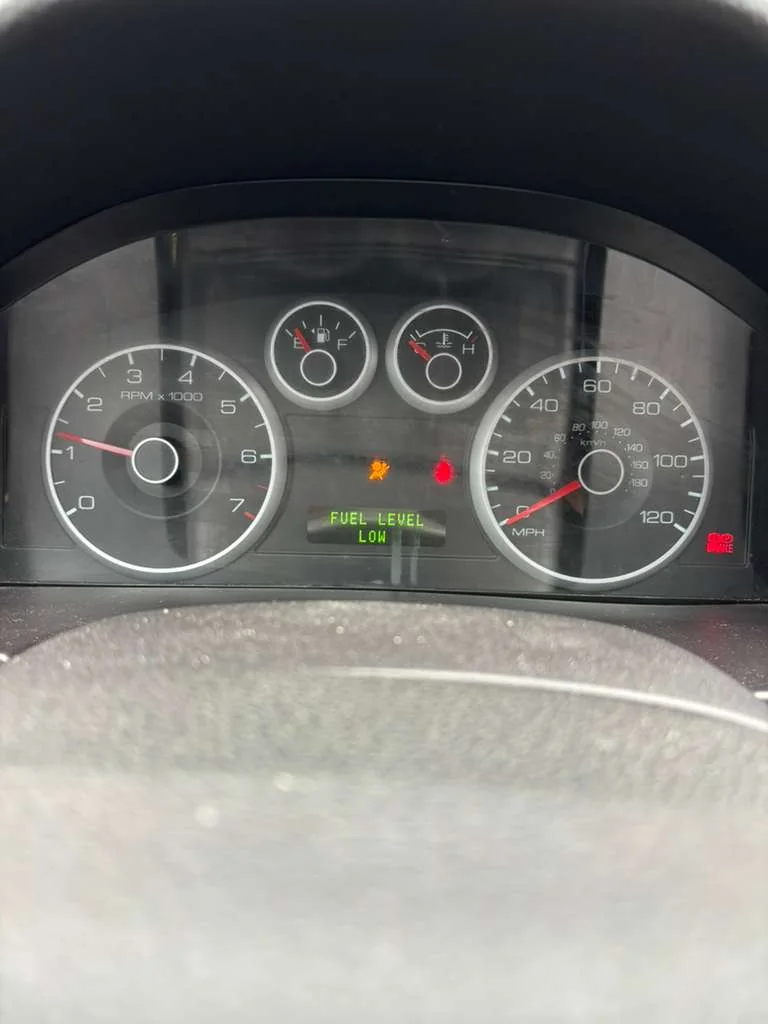
If your car key won’t turn in ignition, first make sure the car is fully in Park or Neutral. Then ease pressure on the steering wheel while gently turning the key. Try a less-worn spare key if you have one. Don’t force the key. If neither key turns, the key goes in roughly, or the dash acts oddly, it’s time for a diagnosis.
Start with the two checks you can make safely
A key that won’t rotate can feel like a lock problem, but the car may be holding the ignition in place. These checks take little time and don’t require tools.
Confirm the gear position
Put your foot on the brake and make sure the shifter is firmly in Park. If the car has a manual transmission, make sure it is in Neutral. Then try the key with light pressure only. AAA lists Park or Neutral position as a relevant check when a car will not start or the ignition will not work as expected.
If the shifter feels loose, won’t settle into position, or the car still does not recognize Park, don’t keep moving the key back and forth. The issue may be outside the key and ignition cylinder.
Take pressure off the steering wheel
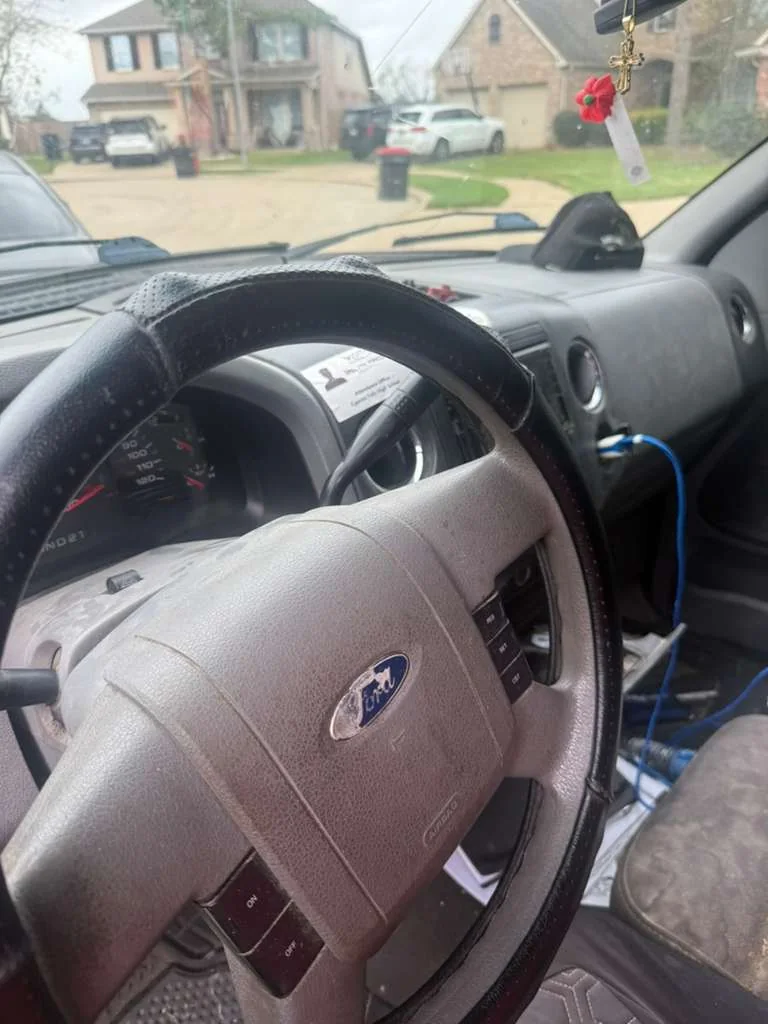
Parking with the front wheels turned can leave pressure against the steering lock. Hold the key gently in the turn direction. With your other hand, move the steering wheel a small amount left and right. It may only move a little on one side. Keep light pressure on the wheel in the direction where it gives, then try the key again.
AAA includes a steering lock among the common reasons an ignition key may not turn. The goal is to release pressure, not to overpower the wheel or key.
Know what the key and ignition parts do
The ignition lock cylinder is the part where you insert the metal key. Inside are small moving parts that line up with the cuts on that key. The cylinder works with the ignition switch, which sends the electrical command when you turn the key.
Cars.com describes the ignition lock cylinder as the mechanical key entry point mounted with the ignition switch. That setup matters because a stuck key can come from the key, the cylinder, or an electrical issue after the key turns.
These clues can help you describe the problem, though they can’t confirm a repair from the driver’s seat.
| What you notice | What to try or report |
|---|---|
| The wheel is locked and the key will not rotate | Use the gentle steering-wheel check. If it does not release, stop pushing on the key. |
| A spare key turns but the everyday key does not | Set aside the worn key. Ask about a replacement based on the working key and your vehicle details. |
| Both keys stick, catch, or fail to turn | Report that no key works. The ignition cylinder may need inspection. |
| The key turns but dash lights or accessories act strangely | Describe exactly what powers on and what does not. The ignition switch or another car system may need diagnosis. |
| The key is bent, cracked, or partly broken | Do not insert it again if possible. A broken piece inside the cylinder can make the situation harder. |
Use a spare key as a useful test
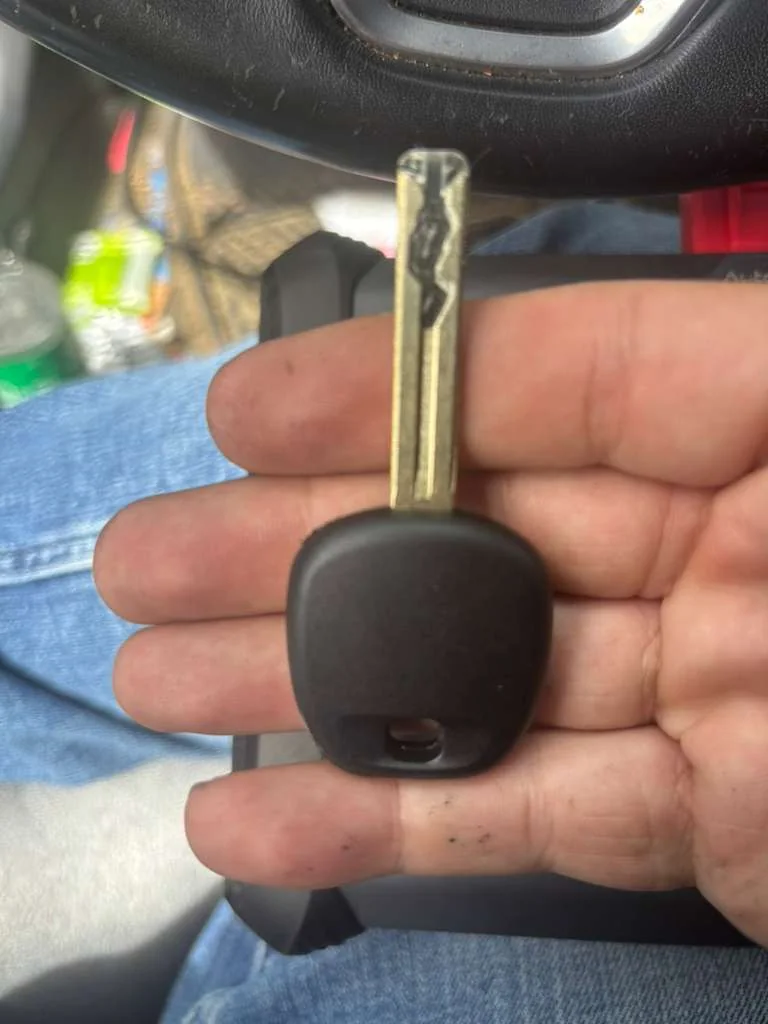
A spare can give you a clear clue. If it is in better shape and turns smoothly, your everyday key may be worn. Key cuts can wear down after years of use. The small parts inside the cylinder may no longer line up well with a worn key.
Cars.com notes that worn keys can damage the cylinder’s internal wafers or pins and that a new master key from a dealer or locksmith may help. Don’t use a copied key that is also old and worn as your only comparison. A better spare provides a more useful result.
Keep the test simple.
- Use only a key made for that vehicle.
- Insert it straight without twisting it sideways.
- Try it once or twice with gentle pressure.
- Stop if it catches, bends, or feels like it may break.
If the spare works, avoid going back to the worn key. It could leave you stuck later. If neither key works, don’t assume both keys failed. The cylinder may be worn or damaged.
Do not force a key that is stuck
It is tempting to twist harder when you need to get home, get to work, or leave a parking lot. That can turn a manageable problem into a broken key inside the ignition. AAA warns that excessive force can break the key or damage the ignition switch.
Stop trying and arrange help if you notice any of these warning signs.
- The key will not fully enter the ignition.
- The key enters but feels gritty or catches hard.
- The key is visibly bent, chipped, cracked, or loose in the cylinder.
- You hear a snap or feel a sudden change while turning it.
- The steering wheel check and Park or Neutral check do not help.
- The key turns only after repeated attempts or at an odd angle.
Don’t try to pry the key, strike the ignition, or put unfamiliar objects into the key opening. Those actions can damage parts that a technician needs to inspect.
Decide when ignition repair is the next step
A worn key may call for key replacement. A key that works only with an unusual wiggle, or no key that turns at all, can point toward the ignition cylinder. If the key rotates but the vehicle does not respond normally, the ignition switch or another vehicle system may be involved. The exact cause depends on the vehicle, its key type, and what happens during the test.
Before you call, have these details ready.
- Your vehicle year, make, and model
- Your location and whether the car is in a driveway, garage, work lot, or shopping center
- Whether the key goes in fully
- Whether a spare key turns
- Whether the steering wheel is locked
- What the dash lights and accessories do when you try the key
That information helps a locksmith understand whether you may need a key, broken-key extraction, ignition cylinder work, or a referral for broader vehicle diagnosis. A vehicle may also have a manufacturer recall or another problem unrelated to the key, so ask the vehicle maker or dealer about any VIN-specific recall.
Choose a Houston locksmith you can verify
For a car that cannot be moved, onsite help can be useful. Mobile Locksmith lists Houston ignition repair and replacement, including broken key extraction and ignition cylinder replacement. Its service page lists 24/7 availability and license B09383301.
Checking credentials is a sensible step before authorizing work on your vehicle. The Texas Department of Public Safety says it regulates locksmiths within the private security profession. You can ask for the license number, a current quote, and an explanation of the planned work before the job begins.
Questions drivers ask about a stuck ignition key
Can a key turn in the ignition and still leave the car unable to start?
Yes. Turning the key only shows that the mechanical lock moved. Starting also depends on electrical and vehicle systems. Note whether dash lights come on, whether accessories work, and what happens when you move the key to the start position. Those details can help separate an ignition switch concern from another no-start problem.
Should I remove a broken key piece from the ignition myself?
It is safer to leave a broken piece in place. Pushing tools into the cylinder can move the piece farther in or harm the internal parts. Tell the locksmith whether any part of the key is visible and whether you still have the other piece.
Do I need proof that the vehicle is mine before locksmith work?
Have your photo identification and vehicle ownership information available. Requirements can depend on the situation, but having those items ready can prevent delays when you need key or ignition service.
Can I leave the car where it is until help arrives?
If the car is safely parked and not blocking traffic, leave it secured and take your keys with you. If it is in an unsafe location, follow local safety directions and contact the property manager or roadside assistance provider if needed. Call 911 first if there is a fire, smoke, or a person trapped in the vehicle.
If your key still won’t turn after the gentle checks, call Mobile Locksmith for Houston ignition repair and replacement at (281) 528-1703. Share your vehicle details, location, and what the key is doing so the team can discuss the next step.